

Beyond Trends - How Marketing Shapes Faraway Lands
Editors' Desk
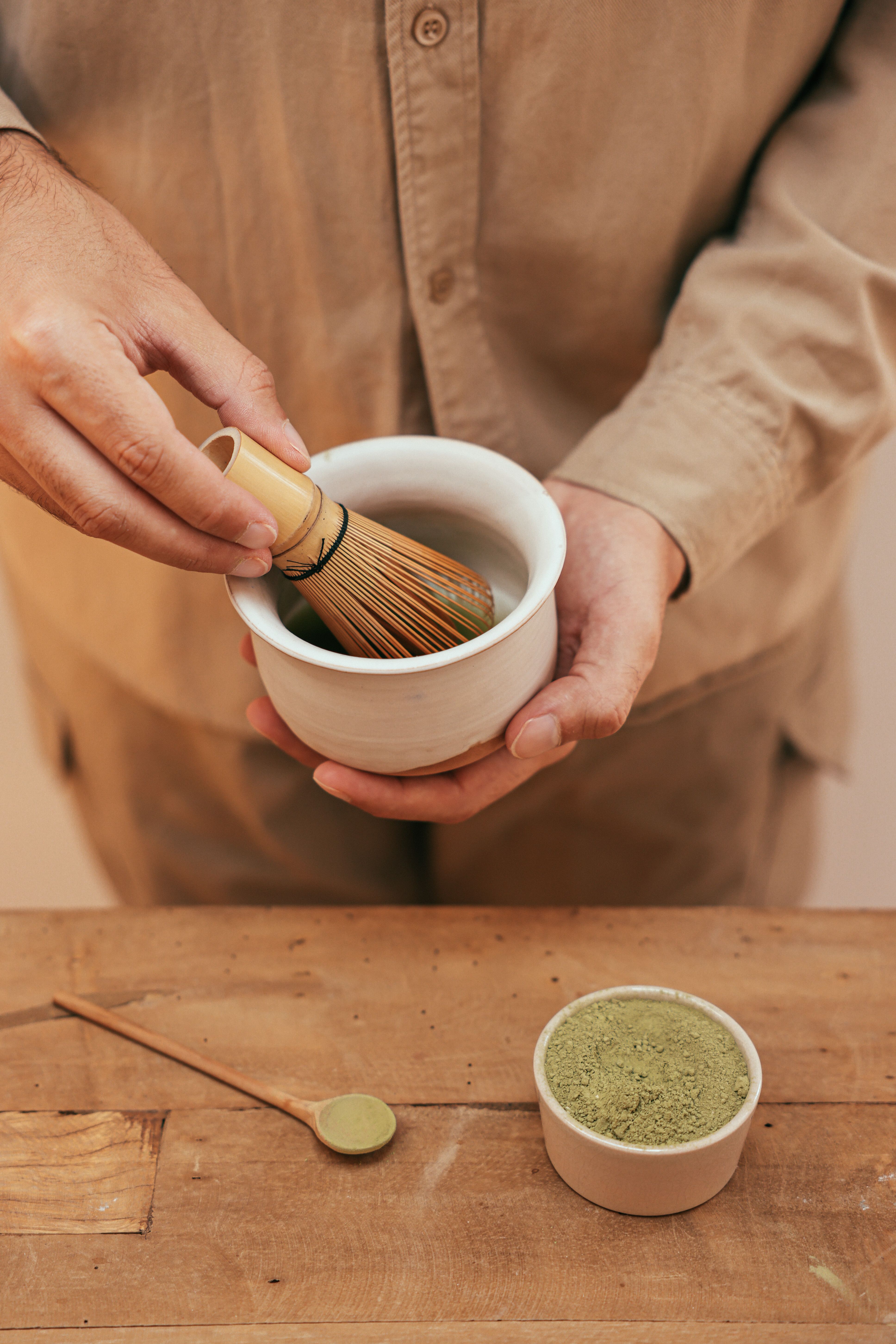
Matcha’s demand rose roughly eightfold in five years. A tea bush takes five years just to begin producing at all. Japan’s own tea shops now ration what they sell to their own customers, a scarcity occurring from the paradox of a tradition that took generations to refine meeting an appetite that took mere months to invent. Even the label most of that appetite reaches for, “ceremonial grade”, is not a Japanese classification at all. No such grade exists in Japan’s own tea culture, which evaluates matcha by cultivar, shading, milling and the specific school of tea ceremony it serves. The term was coined by American importers in the early 2000s to give Western shelves a simple hierarchy to sell against, borrowing the authority of a centuries-old ritual for a category that ritual never defined.
Masahiro Yoshida has grown tencha in Uji for six generations. Two years ago, his harvest fell by a quarter, a heatwave stressing his plantation bushes, and there was nothing to be done about it in the time a plant takes to recover. The auction price that followed was harder to prepare for. Tencha that sold for under five thousand yen a kilogram in 2016 cleared over eight thousand at the first Kyoto auction of 2025, a jump driven almost entirely by a drink most of Japan barely used to notice> Now it was whisked into a latte on a menu in Los Angeles or Seoul, filmed for fifteen seconds, shared until the algorithm decided the whole world wanted it too.
A few thousand kilometres west, Geronimo Blanco has watched a version of the same imbalance play out on his land in the Bolivian altiplano. Quinoa, a grain his family had eaten for seven thousand years, sold for a quarter a dollar per pound at the start of this century and sixteen times that by the middle of the last decade. His income rose, and so did his neighbours’, enough to build houses and send children to university on the proceeds. Whether that same price rise pushed quinoa out of reach for poorer households elsewhere in Bolivia is contested even among the researchers who study it closely, some tracking a real decline in national urban consumption, others finding that farming communities like Blanco’s kept eating what they had always eaten. The boom’s benefit to the people who grow the grain is not in doubt. What it cost the people who once bought it cheaply in La Paz still is.
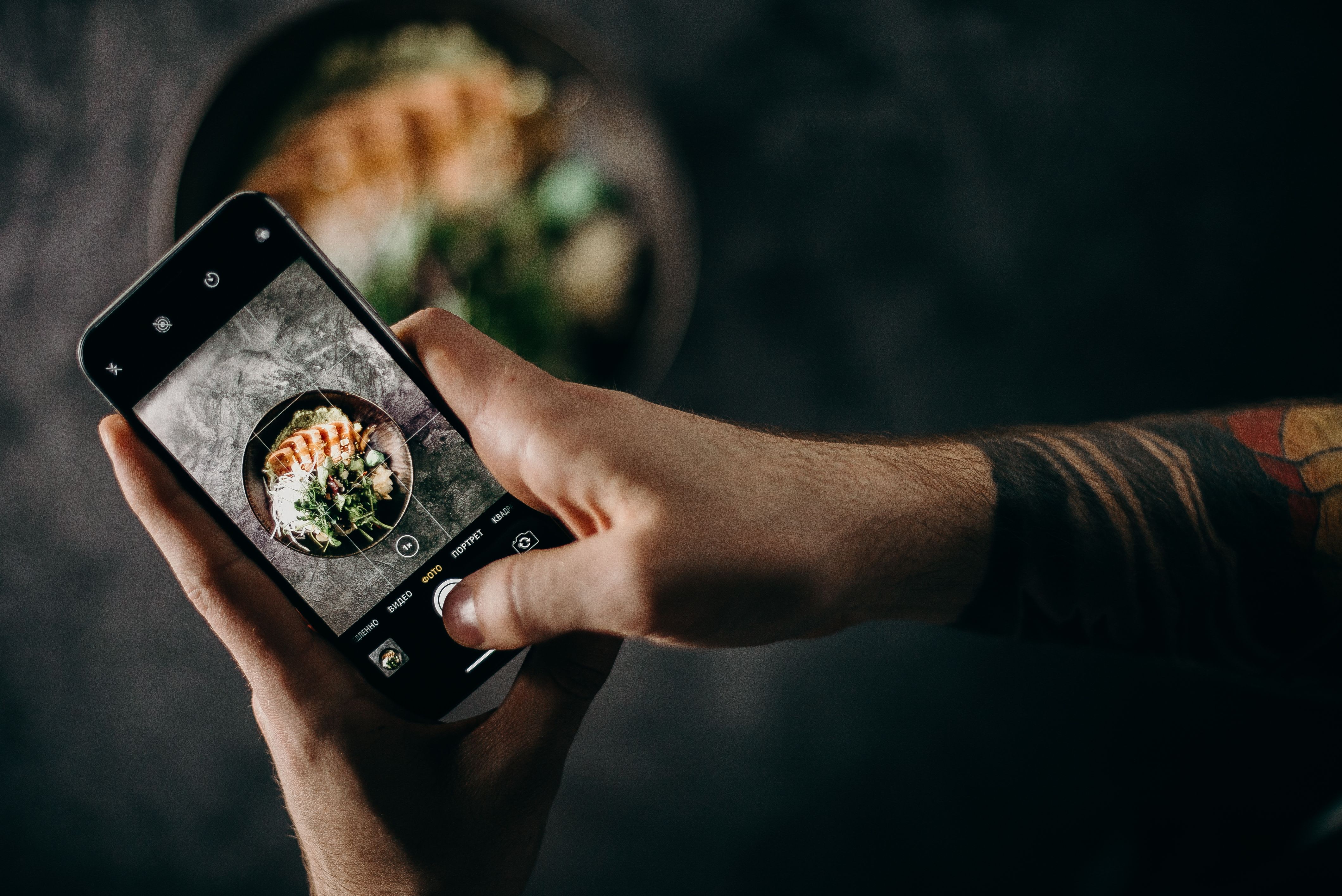
Something happens to a food once it crosses into the category of “superfood” or another LA or NYC trend. It happens in test kitchens and wellness newsletters, in nutrition science translated poorly into marketing copy, in a retailer’s trend report and then into a platform’s recommendation engine. This is always in the United States, sometimes filtered first through Californian or Australian café culture before the rest of the English-speaking internet picks it up. Quinoa’s rise tracked a documented American appetite for a gluten-free, complete-protein grain. Decades before it reached a Brooklyn brunch menu, NASA had named it viable astronaut food in 1993. Now that history became a credential repeated in nearly every article that followed for the next two decades, regardless of what it had to do with how the grain was actually eaten in the Andes or how astronauts were relevant to an Alo-advertising influencer.
Açaí was harvested in the Amazonian floodplain for generations before it became an “ambassador of the Amazon”, a phrase written for export into a market always seeking “the exotic” as a status signifier, a cycle of quickly irrelevant seasons, exactly like in fashion. The impact of such produce on the earth, on the agricultural demand and what they entail and on the communities that call it just food instead of wellness or health food or trendy is what must be considered. The rise leaned also on an ORAC (Oxygen Radical Absorbance Capacity) antioxidant score higher than any fruit yet tested, printed on packaging and cited in press releases for the better part of a decade. In 2012, the USDA withdrew the entire ORAC database, stating plainly that the values had no established relevance to human health and were routinely misused by marketers.
Americans do not eat more of these foods than anyone else, necessarily. However, the country holds an apparatus of media, retail and algorithmic recommendation and power and signal that can turn a crop into a global category within a single trend cycle, and no other market currently commands that reach in reverse. A shift in Peruvian or Japanese food culture does not remake commodity prices in Iowa. A wellness trend in Los Angeles remade land use in Michoacán within a growing season, and now, it seems, empties tea shelves in Kyoto within a spring.
The damage to the ground varies more than the demand that causes it. Ninety percent of the Hass avocados bound for American supermarkets come from a Mexican state that has lost hundreds of thousands of hectares of pine and oak forest to make room for the trees, much of it cleared illegally and laundered through corrupted permitting, by Mexico’s own forestry records. An avocado orchard can draw tens of thousands of gallons of water per acre, and aquifers that once fed traditional crops and drinking supplies have been diverted or drawn down. In several cases, this has happened at gunpoint as cartels moved into a trade too lucrative to leave ungoverned. Homicide rates in the avocado belt rose alongside export volumes.

Brazil’s avocado economics run gentler, closer to arithmetic than atrocity. A hectare converted to avocado there can return more than thirty times what the same hectare earns in soy, and Brazilian agribusiness has responded exactly as the incentive suggests, converting pastureland and grain acreage toward the fruit, part of the same land-use logic that has for decades pushed soy and cattle into the Cerrado. A slow, compounding conversion of arable land or ecologically sensitive biozones into whatever the export market prices highest this season requires consumer knowledge, not cultivator blame. Brazil has done well for itself in monetising the trend to better the lives of their farmers in many ways.
On the flipside, Açaí exports out of Pará grew by a reported 14,000% across a decade, and in some documented cases that demand has made it more profitable for riverside communities to keep açaí palms standing than to clear them, a rare instance of a superfood boom discouraging deforestation rather than driving it. However, researchers tracking the same boom have also found açaí monoculture replacing the mixed floodplain forest the palm once grew within, a loss of biodiversity that may have consequences. However, this is an example of an American trend that may have helped a community inadvertantly.
Trade in food across long distances is not an act of harm, and the caution here is not for the world to stop wanting things that grow elsewhere. This connection through food also runs in both directions and the market that carries a Peruvian grain to a Berlin supermarket is the same infrastructure that lets a diaspora family anywhere still reach ingredients tied to memory and home. Long before it ran on anything else, the Silk Road ran on spice. The strain comes from velocity, not exchange itself. Once a market decides in the space of a single season that a crop is the answer to its own health anxieties, a modest, steady export volume changes. The latter is sustainable in a way a viral one rarely is. Land, water tables and generational farming knowledge move at the pace of earth and rainfall. Marketing moves at the pace of a recommendation engine and waits for none of it, matcha’s own five-year planting cycle sitting uselessly against a demand curve that multiplied eightfold before the first new bush could mature.
Some of the more honest responses have come from the ground rather than from policy. Purépecha communities in Michoacán have begun growing avocado through agroforestry, interplanted within standing forest rather than cleared for monoculture, keeping the income without the full ecological cost. Bolivia wrote food sovereignty directly into its constitution. Japanese tea associations have begun warning international buyers that not every green powder sold as ceremonial matcha deserves the name, a small insistence on naming a tradition honestly even as the world outbids itself for a version of it.
Cocoa, for example, travelled slowly, carried out of Mesoamerica by Spanish traders in the sixteenth century, absorbed gradually into European confectionery over three centuries, until it had, without ever needing a trend cycle, become one of the most quietly dominant crops in the world. Four centuries of demand, arriving at an unhurried pace no matcha or quinoa boom has ever had to survive, still reshaped West African agriculture so thoroughly that Ghana and Ivory Coast now grow little else worth exporting, monocultures old enough that many of their trees are reaching the end of a productive life with few successors planted behind them. Disease, chiefly cocoa swollen shoot virus and black pod, alongside worsening heat and erratic rainfall, has now cut those ageing harvests so sharply that global prices surged from roughly $2,000 a tonne to nearly $13,000 between 2023 and 2024. Genuine chocolate, made with real cocoa butter rather than reformulated substitutes, is measurably harder to find and to afford than it was a decade ago. Still, the farmers growing it, locked into government-fixed prices set a season ahead of the market they are selling into, have seen almost none of that price rise reach them. Nature often needs a reset. Marketing algorithms tend to work outside such constraints, and sometimes against them. Beyond just policy, a consumer mindset shift that focuses on knowledge and consideration would help a cycle slow down enough for the earth to catch up. Just switch out the matcha with a little herbal tea once in a while, and the marketing machine and Mother Nature may both be at peace.
Notes from return.: This piece draws on field investigation by Climate Rights International across Michoacán and Jalisco, NPR and Fox News reporting on Bolivian quinoa farmer Geronimo Blanco alongside academic research on national quinoa consumption trends, current Brazilian agribusiness land-use reporting from Minas Gerais and the Cerrado, açaí export and biodiversity research from Pará published via ScienceDirect and Mongabay, matcha shortage reporting from Al Jazeera, the Global Japanese Tea Association and Japan’s Ministry of Agriculture, Forestry and Fisheries, cocoa supply-crisis reporting from Harvard’s Salata Institute, Reuters and the ICCO’s Quarterly Bulletin of Cocoa Statistics, and reporting on the ceremonial grade matcha classification and the USDA’s 2012 withdrawal of its ORAC antioxidant database. Where sources disagreed on the scale or direction of harm to local communities, that disagreement is noted rather than resolved in either direction.
