

In Search of "Vibe"
Sagorika
A certain kind of complaint has become common enough to constitute a genre. The café that used to be quiet is now full. The neighbourhood that used to be interesting has been discovered. The airline lounge that used to feel like a refuge now has a queue for the shower suites and a family of five occupying the good seats by the window. The beach town, the members club, the little restaurant with no sign, the festival, the island, all of them have been “ruined”, which is that other people found out about the thing and came, and their arrival dissolved whatever quality the complainer had come there to consume. The complaint, usually unintentionally, makes itself a wish for other people to have less so that only the complainer and who they choose can have their preference.
The quality being mourned in these cases is usually called “vibe”, a word that has expanded to fill a space the language formally knew as “atmosphere”. “Vibe” has a specific and under-examined property, which is that it does not scale. A room has a vibe when the number of people in it and the way they behave, the materials around them, the light, the sound, the sense of who else has chosen to be there, all cohere into a pattern that feels particular and unrepeatable. The moment the room becomes popular, the number of people rises, the sense of shared understanding among the occupants thins, and the vibe, which was a function of scarcity and coherence, degrades in direct proportion to the room’s success. This is not a contingent problem that better management could solve. It is structural. Vibe is the experience of being among a small number of people who have been selected, whether by price or knowledge or luck or exclusion, and the moment the selection loosens, the experience it produced disappears, because the experience was the selection. Vibe does not scale; scale is egalitarian, while exclusivity relocates upward.

Luxury is inherently unscalable. A thirty-key hotel where the owner walks the property and knows the guests cannot become a three-hundred-key hotel without ceasing to be what it was. The owner cannot know three hundred guests and interact with all of them with the same ease. The qualities that depended on being known to the owner, or even to the concierge or manager in the small adjustments, the sense of being somewhere specific rather than processed through a system simply cannot be delivered at volume. When a large hospitality group acquires a beloved boutique brand and attempts to scale it, the brand reliably changes, and the cause is the group trying to mass-produce a quality that is definitionally a product of not being mass-produced rather than any incompetence. The vibe was built on scarcity, and it cannot be kept once the exclusivity is removed to be replaced by mass-scale people pleasing.
What follows from this, and what the complainers consistently miss, is that the scaling they resent is the mechanism by which most people gain access to things that were previously reserved for a few, and that this access is, by almost any egalitarian and democratic measure, good. The standardised chain hotel that the previous generation of travel writers despised is also the hotel that a schoolteacher from a small town can book with confidence, knowing exactly what she will get, without the cultural capital required to secure it previously. Air travel that has become crowded and casual is also air travel that a factory worker can afford, where two generations ago it was the preserve of the wealthy who dressed for the occasion and enjoyed the space that the exclusion of everyone else made possible. The crowd that “ruins the vibe” is composed of people who were previously excluded, and their inclusion is the democratisation that the culture claims to celebrate until it engulfs those signalling to idea than comfortably sharing in it.
The scaled, vibeless version of a thing is frequently the more egalitarian version precisely because the absence of vibe is the absence of the coded barriers that the vibe connotes. A place with a strong vibe is a place that has selected its occupants. The person who feels the vibe is often feeling the pleasant sensation of being among their own kind and safely apart from everyone else. None of this means that vibe is manufactured superficially or that the desire for it is contemptible, because the qualities that vibe describes are real and the experience of belonging it engenders is one of the genuine pleasures available to a human being. The small perfect restaurant, the hotel that feels like a specific place are spaces full of people who understand a set of etiquettes, an unspoken language that can build camaraderie and community despite outer differences and wanting them carries no shame. The error lies in resenting the crowd while doing nothing about one’s own position relative to it, in mourning a lost exclusivity while remaining passively inside the very tier whose expansion destroyed it. The vibe, being a product of scarcity, never actually disappears. It relocates. It moves upmarket, to the next barrier, the next price point, the next level of knowledge or access or exclusion, and it is always available to anyone willing to pursue the new cost of admission, whether that cost is money or effort or the cultivation of genuinely rarer taste.

The person complaining that the business class lounge has become crowded is describing a real phenomenon but it is done in inertia and nostalgia. The effort required to previously “belong” can be likened to cultural and social inflation. When one speaks with nostalgia of what used to be, they also signal their inertia about what still is, of spaces that do maintain the vibe, which is the first class lounge, or the private terminal, or the members club, or the private aviation that the more wealthy use precisely because it has restored the scarcity that mass affluence eroded from the tier below. The exclusivity the complainer is mourning has simply moved above them, to a level they have chosen not to move towards or one they cannot pay for, and their complaint is therefore about their own position rather than the just the loss of exclusivity. For a moment in time, this position of exclusivity they enjoyed afforded them a brief taste of being among the selected few and then, as the tier filled up beneath them, deposited them back into the crowd they thought they had escaped. While a rising tide raises all boats, for those who seek to steer taller ships must build it higher and better.
This is the psychological heart of the complaint, and it is worth naming without cruelty, because most people who make it are only experiencing a very human disappointment. They achieved a level of access that felt, for a moment, like arrival, like distinction, like membership in a category above the ordinary. Then the category expanded, as they do when an economy grows and more people can afford what was previously scarce, and the distinction they had briefly enjoyed dissolved into ordinariness, and they experienced this dissolution as loss rather than as the arrival of others into a comfort they unconsciously thought themselves entitled to. The generous response to this is to be glad that more people can now afford functionality even without the vibe and to recognise that the feeling of exclusivity was always going to be temporary because it was always inherent on exclusion.
The person who complains instead of ascending is revealing that the exclusivity was not, in fact, worth the additional cost to them, that they valued it only at the level at which they had it for free as an accident of being early. Most people cannot afford to keep buying their way up the tiers, and this is not a criticism of the complainant’s finances. It is a criticism of the complaint, which dresses an ordinary and understandable disappointment in the borrowed clothes of aesthetic principle, and asks the world to believe that the speaker’s nostalgia for a less crowded lounge is a lament for the decline of quality rather than what it usually is, which is grief for a lost feeling of being special.
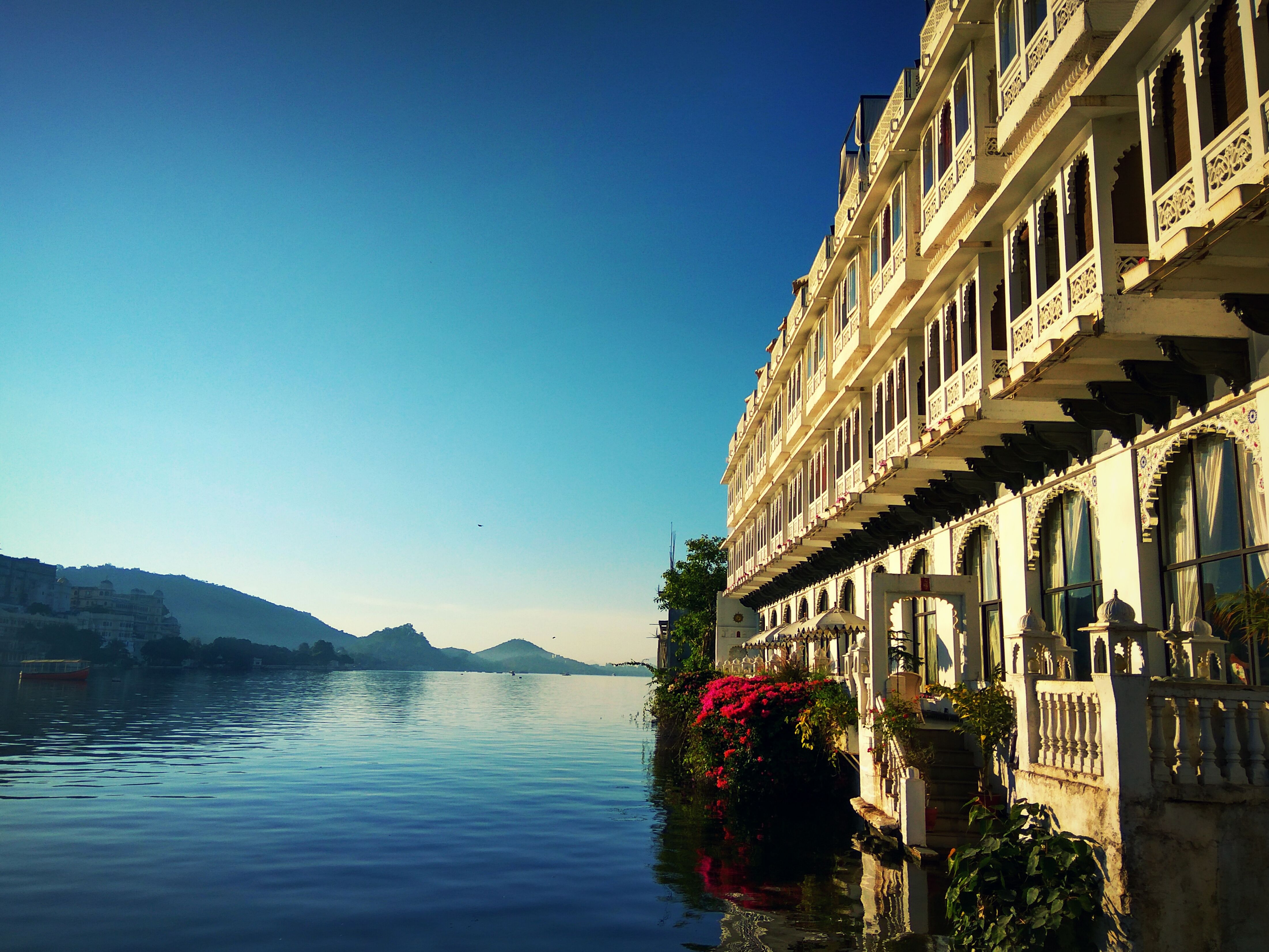
The things with vibe will always exist, and they will always be exclusive, because exclusivity is the condition of their existence rather than an unfortunate side effect of it. There will always be a hotel more particular than the one easily booked, a restaurant harder to enter than the one already known, a tier of travel more comfortable than the one already reached, a level of access that remains scarce because it is priced or gated to remain so. The market produces these continuously, as fast as the tier below fills up, because there is always demand from those who can pay for scarcity and always someone willing to supply it. What changes is only who is inside which tier, and the churn of that changing is the sound of an economy including more people in comforts that were previously reserved. It is not a complaint about quality only, and repeated, it begins to sound like a complaint about company.
Culture is the living argument a people has with itself across time. return. enters that argument as a reader, not a referee.
