
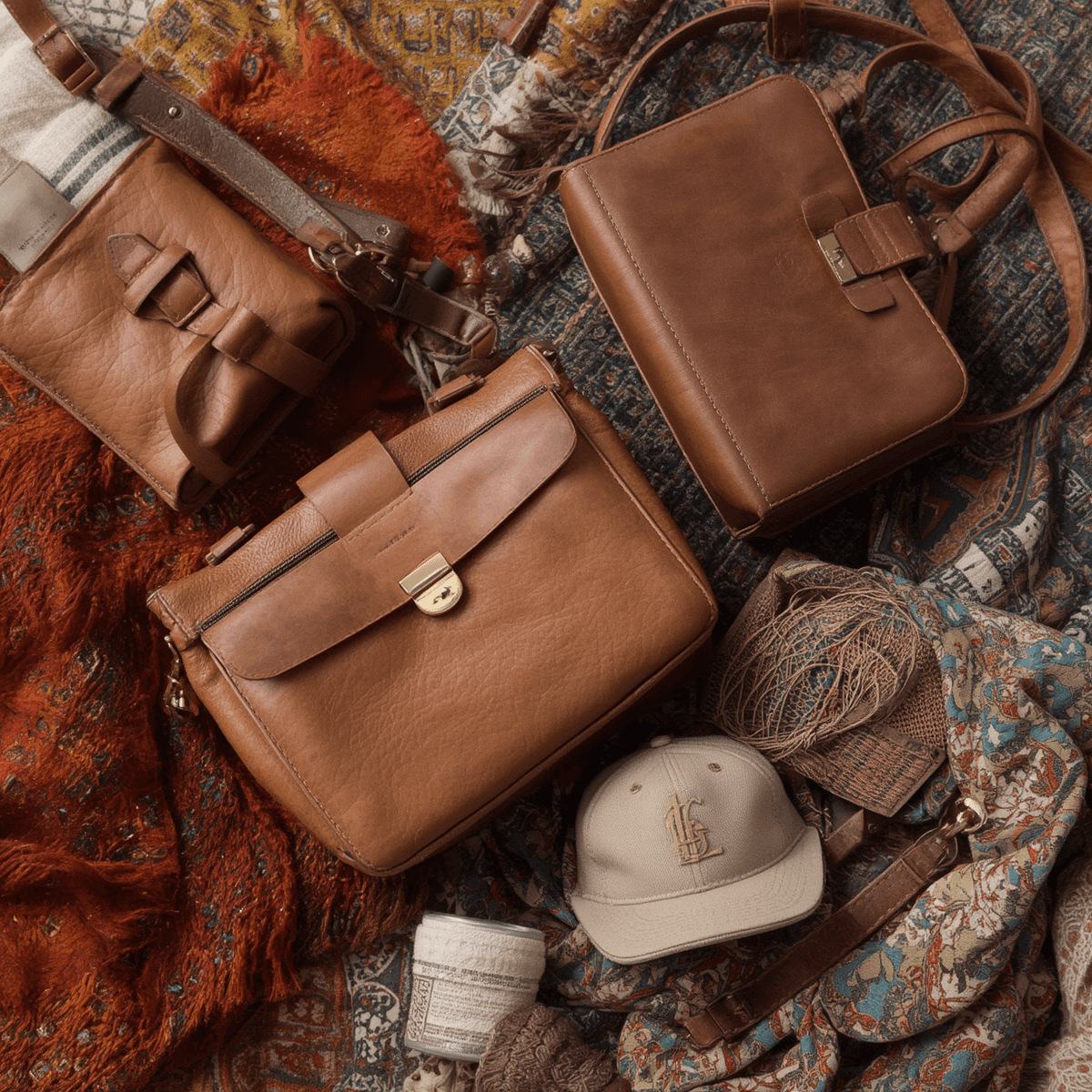
Signalling Spends, Not Status
The Editors
In Varanasi, Sanjay Garg’s Raw Mango took the Banarasi brocade, a weave that had spent decades being degraded into synthetic wedding-market imitations of itself, and returned the real textile to silhouettes plain enough to let the fabric itself speak. The sari waits for the person who can read the density of the zari and the discipline of the border, and the discerning wearer begins begets attention and starts conversations that no monogram has ever started. Rahul Mishra carried the same wager to Paris, where embroidery worked by hand in villages across India, at a density that cannot be hurried, put him on the haute couture schedule, the first Indian designer admitted.
The indigo dyers of Tokushima feed their vats wheat bran, lye and sake. They check on them through the night the way a baker checks a starter, because in the vat is a fermentation culture and a neglected one dies. A vat that has been tended for forty years produces a blue that a vat of four years cannot, and everyone who works in aizome knows this by hand and eye long before they could explain the chemistry. Down the coast in Kanazawa, gold leaf beaters hammer metal to a tenth of a micron between sheets of handmade paper, while in the lacquer workshops of Wajima the urushi goes on in coats thin enough to need weeks of curing between layers, rubbed back each time, so that a finished bowl holds a depth no photograph has managed to carry. Most of these workshops were dying ten years ago, their masters ageing out, their children gone to salaried work in Osaka. What changed was the arrival of a buyer who asked how a thing was made before asking what it cost, and the workshops that had held on found they could sell everything they were capable of producing, which was never very much, because the vats and the lacquer refuse to hurry for anyone.
Whoever that buyer is, in Kyoto or Shanghai or increasingly in Lyon, they are the audience an entire generation of makers outside America has been waiting for. Kenneth Ize wove Aso-Oke, the ceremonial strip-cloth of the Yoruba, into tailoring sharp enough for the LVMH Prize shortlist, and Thebe Magugu won that prize outright from Johannesburg with garments that carry South African history in their construction. Songmont became the first Chinese handbag label to show at Paris Fashion Week and photographs grandmothers for its campaigns, the bag presented as the latest sentence in a long conversation. WE11DONE of Seoul earns its shelf at Luisaviaroma beside houses five times its age, working on silhouette and construction alone. Even inside Europe the same current runs, and has for longer: Bottega Veneta was founded in Vicenza in 1966 on the credo “when your own initials are enough,” and its intrecciato weave, introduced in 1975 because sewing machines could not handle dense hide and thin woven strips could, turned fifty last year still made by hand over days, still carrying no logo, still legible only to the person who knows what they are looking at.
That legibility is an entire economy of discernment, a class separator. A Namiki maki-e fountain pen sells for over ¥1 million to someone who will never be congratulated for owning it by anyone who does not also know what it is, and the owner prefers this, because the pen is a private literacy and the pleasure is in the reading. The exclusivity these objects trade in has a barrier no credit card crosses. It is built from years of exposure of the Mumbai buyer who grew up watching her grandmother’s Kanjeevarams come out of the almirah and knows handloom from powerloom by touch, the Lagos collector who knows what a week of a weaver’s time looks like, the Milanese who was raised around linen that improves with washing and shoes that get resoled rather than replaced. Money only buys entry to the other kind of exclusivity, the temporary one of the kind the American market perfected, and the distinction between the two is the distinction between a thing and its label. Transactional, temporary exclusivity is of the kind that is insecure, that needs validation, that seeks status instead of offering it, that must gatekeep to be meaningful. a thing of beauty must merely be enjoyed for its existence, the knowledge of it celebrated by the rich and the poor knower alike, and at an airport, being recognised for carrying a Bosca wallet by someone who cannot will neither have the carrier turn up their nose nor feel like they found their clique.
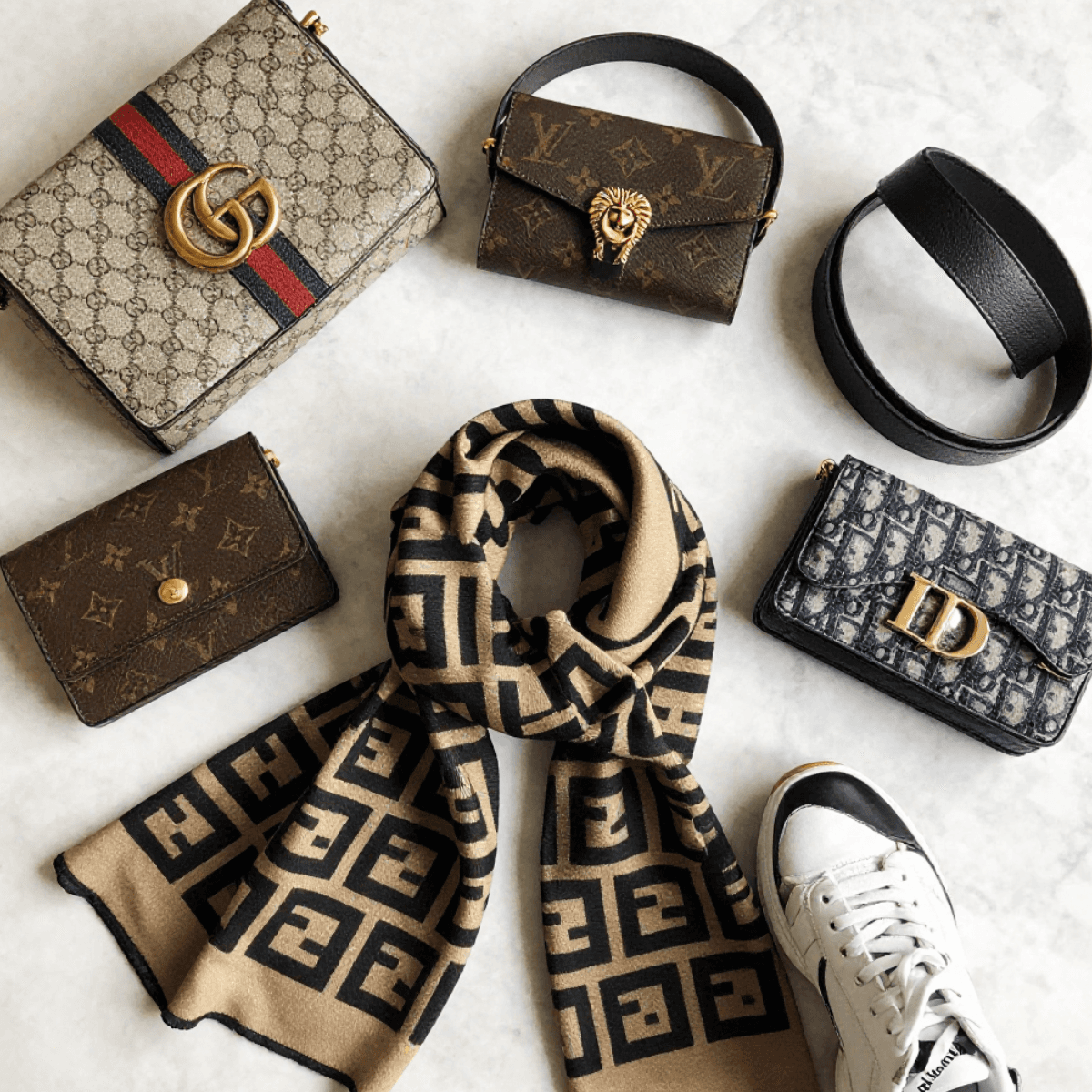
The American version was engineered with real skill and it worked for a generation. Michael Kors rendered its initials in gold-tone metal across canvas, hardware, watch faces and sunglass temples at a density legible from across a parking lot, and grew from $20 million to roughly $3 billion in a decade selling the experience of designer purchase at a price that made the experience repeatable, to a customer whose luxury education had come from television and the mall and who was buying exactly what was offered, recognition. The trouble with recognition as a product is arithmetic, since every new customer dilutes what the last one bought, and the brand has spent the years since 2016 in decline, nearly a billion dollars of revenue gone since 2023, the outlet malls having taught everyone never to pay full price for letters that had stopped saying anything. The European houses ran the same play in better tailoring with the Chanel flap bag doubling to over $10,000 in five years while Italian prosecutors documented the subcontracted workshops behind several great names, the raw-cut hems that save four pressing steps, the plastic heel cores where wood had been, the viscose where silk was promised. This magazine has written before about the manufactured ignorance this system requires of its audience in A Label Without Legacy, and the manufacture continues. What has stopped cooperating is the audience, tens of millions of whom left the luxury market once they understood they had been paying couture prices for the masstige playbook, taking their money to Cucinelli’s village in Umbria, to the ateliers of Tokyo and Accra and Jaipur, anywhere the object could still be trusted to be what it claimed.
The clutter these makers are breaking through was never of their making. Two generations of American television, American magazines and American mall architecture taught much of the world that luxury was a logo at a certain price point, and the teaching was thorough enough that a Yoruba weaving tradition or a Banarasi loom had to route itself through Paris to be believed at home. That detour is now shortening. The buyer in Bengaluru or Lagos no longer waits for Vogue to confirm what her hands already know, and the vats in Tokushima, fed and warmed and spoken to like the living things they are, have outlasted what the logos believed they would.
Culture is the living argument a people has with itself across time. return. enters that argument as a reader, not a referee.
